01
Blown-in cellulose and attic top-ups
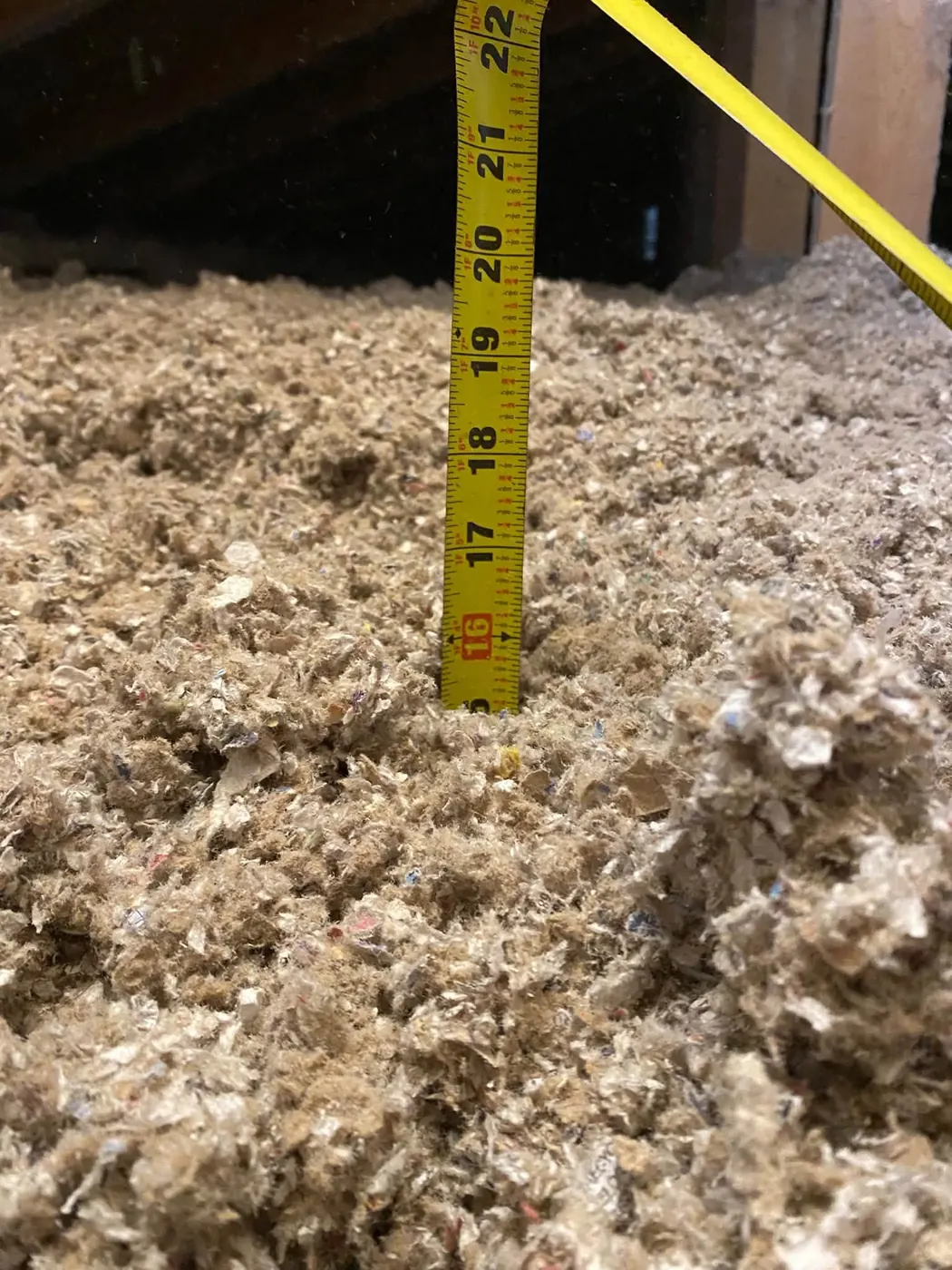
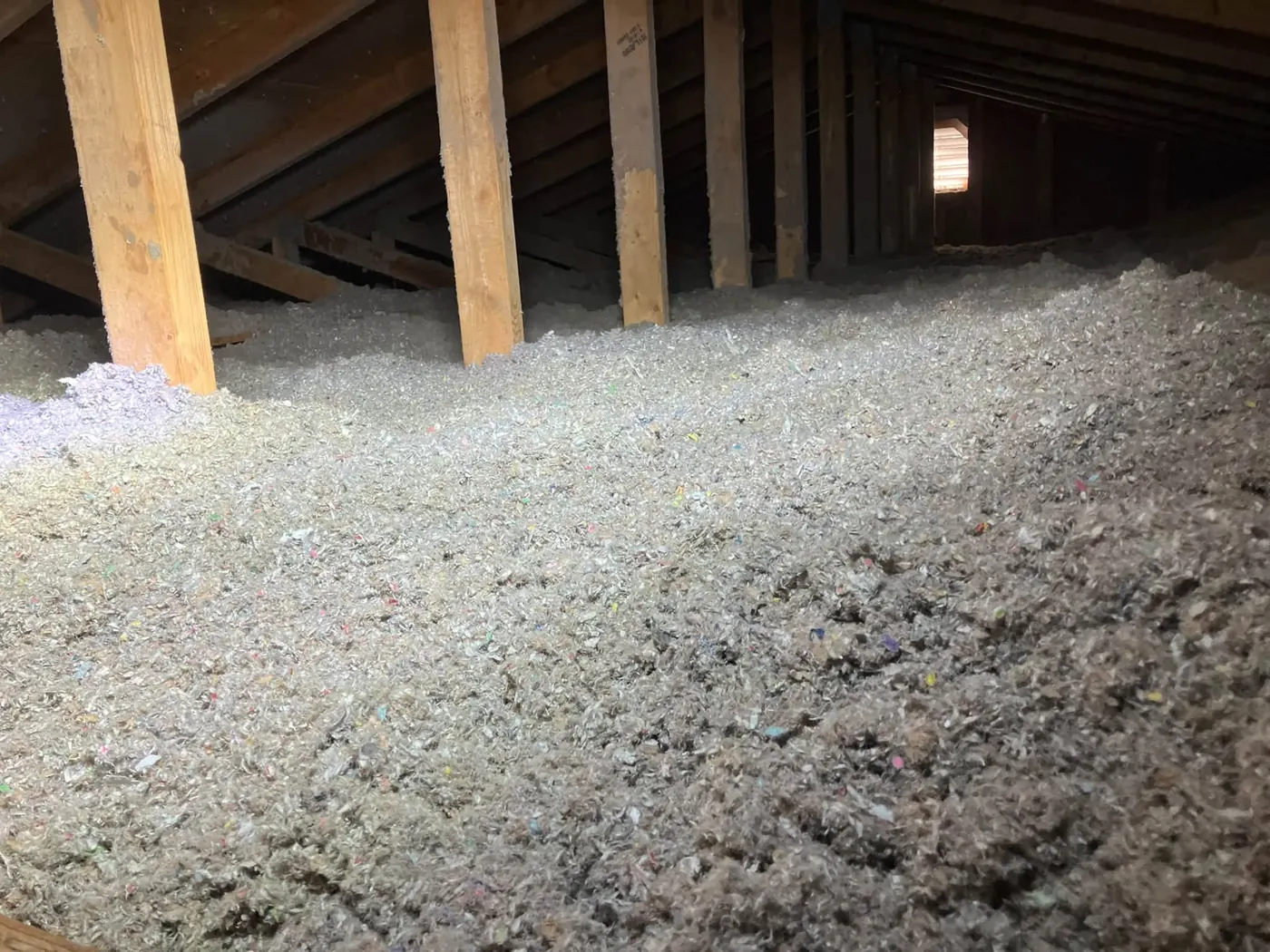
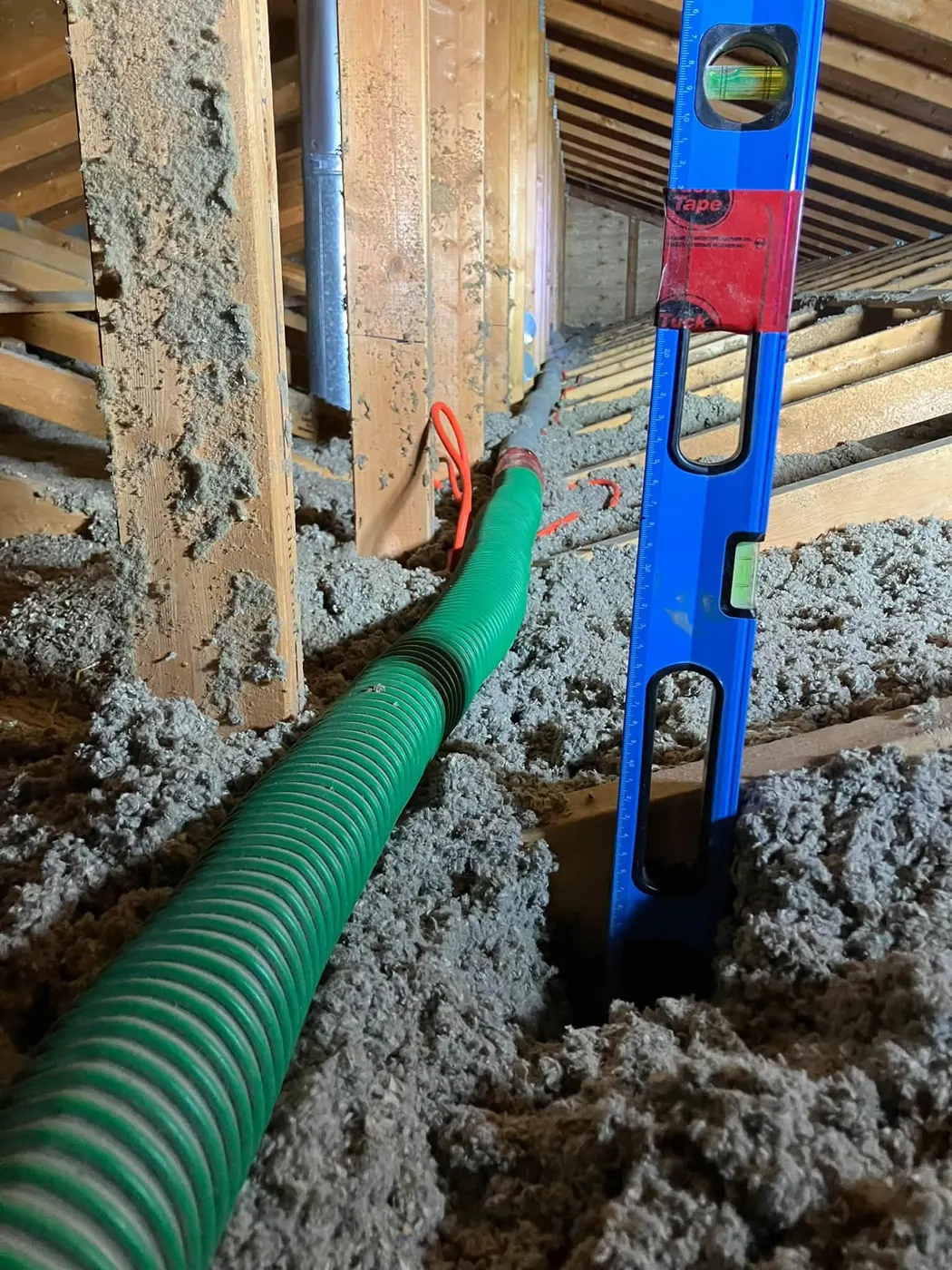
We provide blown-in cellulose attic insulation, top-ups and air-seal-and-insulate work. The appropriate scope depends on the attic, the material already in place and the areas that can be accessed. A top-up estimate should identify the proposed material, coverage and finished insulation level, along with the preparation included.
Share previous insulation records if you have them. Ask how the existing condition will be assessed and why the proposed insulation level is suitable for your home. A quoted depth on its own does not explain the whole job. Our attic top-up guide helps you compare the scope.
02
Address moisture, air leakage and ventilation together
Tell us about known leaks, staining, past roof repairs or other moisture concerns before the visit. Ask what needs attention before insulation is added, which accessible areas will be air-sealed and how ventilation paths will be maintained. The written estimate should make these inclusions and exclusions clear.
Do not enter the attic just to prepare an enquiry. Use information and photos you already have. If existing material may be vermiculite, leave it undisturbed and arrange a qualified assessment before work proceeds. Mention the concern when booking so the next step can be planned appropriately.
03
What affects the scope, price and schedule?
Attic area, access, existing insulation and preparation work all affect the estimate. The floor area of the house may help an initial discussion, but it is not a substitute for assessing the attic itself. Ask how the finished work will be documented and what cleanup is included.
Tell us where the hatch is, whether furniture needs moving and if access depends on a particular room or occupant. Confirm the likely schedule after the scope is understood. Agree how any additional work will be explained and approved before it proceeds.
04
Plan your comfort upgrade and keep the records
Describe the rooms and seasons where you notice discomfort rather than assuming one cause. If windows or doors are part of your plans, include them in the same enquiry so the proposed work stays connected to your priorities. Expected results depend on the home and the work performed.
Keep the estimate, material details, completion photos and any applicable coverage information together. To request a free estimate, send your address, approximate home size and what you know about the existing attic. Our estimate preparation checklist explains what is useful to provide.
05
Attic insulation rebate: what may apply
The BC Hydro and FortisBC Home Renovation Rebate Program offers $0.02 × square feet × R-value added for attic insulation, up to $900, for eligible homes. At least R12 must be added, and the work must be installed by a Home Performance Contractor Network member verified to offer insulation services, following the program’s air-sealing and insulation best-practice guide. Self-installs do not qualify. For example, adding R40 across 1,000 sq ft works out to $800, if the home and the work qualify.
FortisBC funds homes heated mainly by FortisBC natural gas, and BC Hydro funds homes heated mainly by BC Hydro electricity. Oil, tank propane and Pacific Northern Gas heat are also listed in the program rules, but confirm the funding partner with the program first; homes heated mainly by wood do not qualify. The home must be a year-round primary residence at least 12 months old, the application is due within six months of the invoice date with the invoice paid in full, and the rebate cannot exceed the paid invoice. Rules and funding can change, so check the current terms before counting on a rebate: BC Hydro · FortisBC. Window and door rebates are on our rebates page.